The UAE is on a mission to transform its energy landscape, and it’s doing so with a sunny disposition. With vast deserts and endless sunshine, it seems only fitting that this nation embraces renewable energy like a long-lost friend. Gone are the days of relying solely on oil; the UAE is stepping into the future with solar panels and wind turbines that could make even the most seasoned environmentalist do a happy dance.
As the world grapples with climate change, the UAE is proving that it can be a leader in sustainable energy. From ambitious projects like the Mohammed bin Rashid Al Maktoum Solar Park to innovative initiatives that harness the power of the wind, the UAE is not just following the trend—it’s setting it. Buckle up as we explore how this desert oasis is turning the tide on energy consumption and paving the way for a greener tomorrow.
Overview of UAE Renewable Energy
UAE renewable energy initiatives pursue significant advancements in sustainable energy strategies. The nation invested heavily in projects that harness solar power. Solar photovoltaic systems and solar thermal plants form a cornerstone of these efforts.
Wind energy also plays a crucial role in energy diversification. Located in coastal areas, wind farms contribute to the renewable energy mix. Key projects like the 400 MW Dhofar Wind Power Project showcase the potential of this resource.
The UAE aims for a 50% clean energy target by 2050. This objective aligns with the UAE Vision 2021 and Energy Strategy 2050. Both documents emphasize the importance of sustainable practices in the energy sector.
Government support remains vital for these projects. Entities like the Abu Dhabi Future Energy Company, known as Masdar, lead initiatives in clean technology and renewable energy investments. Partnerships with private firms further enhance the deployment of innovative solutions.
Significant attention goes to energy efficiency initiatives as well. Programs in the UAE promote reducing waste and optimizing resource use. This balanced approach addresses both production and consumption aspects of energy needs.
International collaborations strengthen UAE’s renewable energy landscape. Partnerships with countries such as France and China facilitate knowledge transfer and technological advancements. Such collaborations align with global sustainability goals.
Overall, the UAE’s commitment to renewable energy reflects a proactive stance in addressing climate change impacts. With an array of projects and targets, the nation sets itself on a comprehensive path toward a sustainable energy future.
Key Renewable Energy Sources in the UAE

The UAE leads in utilizing renewable energy sources, primarily focusing on solar and wind energy.
Solar Energy Initiatives
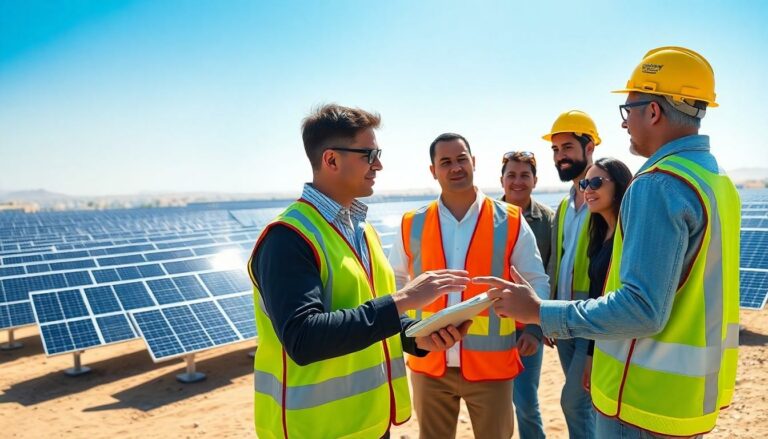
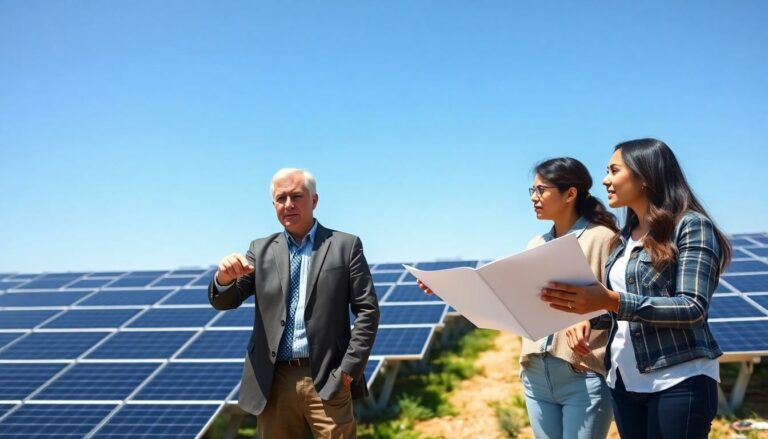
Solar energy initiatives are prominent in the UAE’s clean energy strategy. The Mohammed bin Rashid Al Maktoum Solar Park represents a key investment with a planned capacity of 5,000 MW by 2030. Over 1,000 MW is already operational, showcasing the country’s commitment to solar power. Masdar also supports various photovoltaic projects, enhancing energy efficiency. Abu Dhabi’s rooftop solar efforts encourage residential participation, allowing homes to generate clean energy while reducing bills. These initiatives significantly contribute toward the UAE’s goal of 50% clean energy by 2050, reinforcing its position in the global renewable energy market.
Wind Energy Projects
Wind energy projects play a crucial role in diversifying the UAE’s energy portfolio. The Dhofar Wind Power Project, with a capacity of 400 MW, exemplifies this commitment. Located in Oman, it contributes to increasing the region’s renewable energy output and reduces dependence on fossil fuels. Collaborative ventures, including partnerships with international firms, further enhance wind technology capabilities. Additionally, ongoing assessments of wind energy potential ensure optimal site selections for future projects. This focus on wind energy underpins the UAE’s vision for a sustainable energy future, aligning with its strategic objectives for 2050.
Government Policies and Strategies
The UAE implements diverse strategies to promote renewable energy and reduce fossil fuel reliance. These strategies emphasize not just sustainability but also technological advancement and economic diversification.
UAE Energy Strategy 2050
The UAE Energy Strategy 2050 outlines a target of 50% clean energy by 2050, guiding the nation’s transition to sustainable power sources. This plan incorporates a mix of solar, wind, and nuclear energy while aiming for a 40% reduction in carbon emissions by 2050. The government prioritizes energy efficiency, focusing on cutting energy consumption by 40% through various initiatives. Investments in renewable technologies will reach AED 600 billion, shaping a robust economic framework. Furthermore, local and international partnerships will facilitate knowledge sharing and innovation, ensuring the strategy’s success in aligning with global sustainability goals.
Role of Masdar in Renewable Energy
Masdar plays a pivotal role in advancing the UAE’s renewable energy agenda. As a leading developer of clean energy projects, it pioneers initiatives that align with national goals. Investments in solar, wind, and energy technology projects have significantly contributed to the UAE’s renewable energy capacity. Masdar’s innovative solutions, like large-scale solar farms and rooftop solar installations, actively support community participation. International collaborations further enhance Masdar’s capabilities, drawing in expertise from around the globe. This approach not only fosters innovation but also positions the UAE as a leader in renewable energy adoption, showcasing its commitment to a greener future.
Challenges Facing Renewable Energy in the UAE
Renewable energy development in the UAE faces several challenges despite significant progress. High upfront costs for renewable technologies present initial barriers for investors and developers. Limited local expertise in cutting-edge renewable technologies hampers rapid deployment and scalability.
Additionally, intermittent energy supply from solar and wind resources necessitates advancements in energy storage solutions. Energy storage systems are essential to ensure reliability, particularly during peak demand periods. Regulatory frameworks sometimes lack the flexibility needed to accommodate fast-paced advancements in renewable energy technologies.
Moreover, competition from established fossil fuel industries creates significant obstacles. Fossil fuels remain cheaper and more entrenched in the market, which complicates efforts for renewables to gain a larger market share. Community awareness and public acceptance for renewable projects can also be slow to develop, impacting overall participation rates.
Collaboration between government and private sectors is crucial for addressing these issues. By fostering strategic partnerships, knowledge transfer and resource sharing can enhance technological capabilities. Investment in education and training programs helps build a skilled workforce capable of supporting renewable energy initiatives.
Lastly, aligning financial incentives with renewable energy goals can drive more significant investments. Offering subsidies or tax advantages encourages both local and international stakeholders to participate effectively. Overall, identifying and overcoming these challenges strengthens the UAE’s renewable energy landscape and supports its commitment to sustainability and diversification.
Future Prospects for UAE Renewable Energy
Ambitious goals drive the UAE’s renewable energy landscape, targeting 50% clean energy by 2050. Built around Vision 2021 and Energy Strategy 2050, these goals emphasize sustainability across the energy sector. Significant financial investments, particularly in solar power, signal a robust commitment to this transition. Notably, the Mohammed bin Rashid Al Maktoum Solar Park, with a planned capacity of 5,000 MW, plays a pivotal role in achieving these targets.
Collaborative efforts with international firms enhance the country’s technological advancements in renewable energy. By fostering partnerships, the UAE strengthens its capabilities, turning to countries such as France and China for knowledge transfer. Efforts to include wind energy also gain momentum, with projects like the Dhofar Wind Power Project making strides in energy diversification.
Addressing challenges remains key to future success. High upfront costs and limited local expertise pose initial hurdles, necessitating innovative financial strategies. Additionally, advancements in energy storage solutions will be vital to counter intermittent supply issues from solar and wind resources.
Investing in education and training programs builds a skilled workforce equipped to navigate challenges. Regulatory adjustments may also enhance flexibility, allowing for faster deployment of cutting-edge technologies. Renewables’ competition against established fossil fuel industries requires strategic initiatives to boost public acceptance and awareness.
To optimize resources, aligning financial incentives with renewable energy objectives fosters greater investment. Combining these strategies will significantly impact the UAE’s transition to a sustainable energy future, solidifying its role as a global leader in renewable energy initiatives.
The UAE’s journey towards a sustainable energy future is marked by ambitious goals and significant investments in renewable sources. With a target of 50% clean energy by 2050, the nation is poised to redefine its energy landscape. Strategic collaborations and innovative technologies will play a crucial role in overcoming existing challenges.
As the UAE continues to enhance its renewable energy capabilities, it not only sets an example for the region but also positions itself as a leader on the global stage. The commitment to sustainability reflects a broader vision that prioritizes environmental stewardship while fostering economic growth. The path ahead is promising, and the UAE’s proactive approach could inspire other nations to follow suit in the transition to renewable energy.